


August 2026 Lake Nockamixon Fishing Report

Hey everyone, Captain Anthony Awgul the Lake Nockamixon fishing guide here! As part of my mission to help anglers catch more and bigger bass on our local fishery, I publish free monthly Lake Nockamixon fishing reports at the beginning of each month from April through November while guiding this lake full-time.
Want even more detailed information? I also post daily fishing reports and in-depth weekly recaps exclusively for subscribers of the Lake Nockamixon Fishing School. You can learn more and subscribe at www.awgulfishing.com/nockamixonfishingschool.
Introduction:
After a more challenging and unpredictable July, August 2026 was a very welcome change. We entered the month still dealing with the aftermath of the intense July 28 flooding, when an estimated 6–7+ inches of rain fell across Quakertown in only several hours. Lake Nockamixon began August high, heavily stained to muddy, and cooler than it had been during the hottest portions of July. But underneath all of that dirty water, something much more encouraging was beginning to happen: the shallow summertime bite was finally coming back to life for us.
The improvement for us started gradually during the opening days of August before really taking off around the middle of the month. After spending much of the latter part of July bouncing between scattered and inconsistent bites, we suddenly started seeing bass consistently utilizing vegetation and shallow cover again. Around the middle of the month, we experienced some of the best fishing of our entire summer; if not the best fishing of our entire year so far.
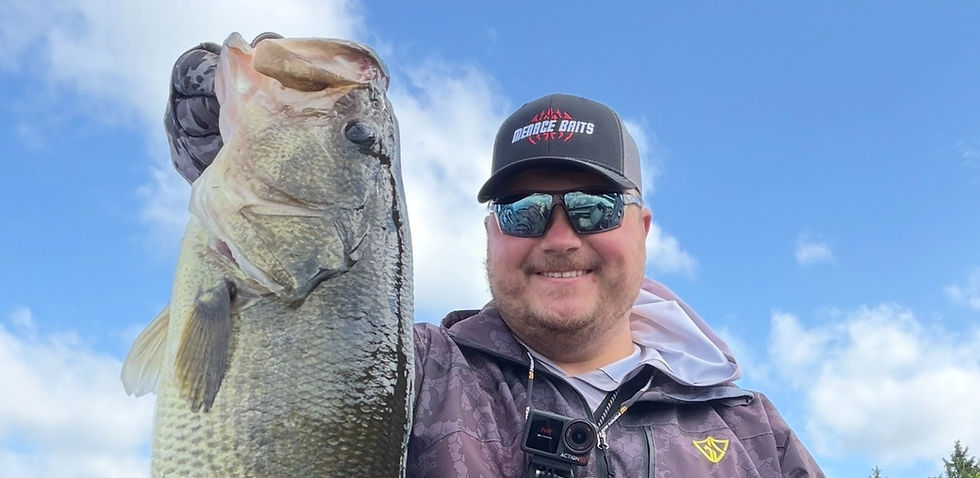
August ultimately gave us an outstanding combination of quality and quantity. We caught six largemouth bass over five pounds, including an absolute giant bass weighing 7.6 pounds, along with above average numbers of three- to five-pound bass and tremendous quantities of smaller fish. Several days produced well into the double digit quantity, and our best numbers day of the year occurred this month resulting in 42 fish in one single day. We also continued seeing some impressive smallmouth bass, including our biggest smallie of the year weighing in at 4.5-pounds.
That doesn’t mean every day and every hour was a slugfest. Some mornings were incredibly slow, and the best bite windows could still be condensed and infrequent. But compared to July, the difference seemed dramatic. Instead of constantly wondering where the next bite might come from, August more regularly gave us multiple productive patterns; and for several stretches, both the numbers and quality were excellent.

Starting the Month After the July 28 Flood:
The first weekend of August began only a few days after the historic flooding the end of July. Quakertown Borough estimated that approximately 6–7+ inches of rain fell over only several hours during that event. The flooding became severe enough that emergency responders rescued nine people and two pets from vehicles, eight homes were evacuated, roads were closed, and the borough activated its emergency operations center.
All of that water obviously had a major effect on Lake Nockamixon. Water visibility remained muddy as August began, with large portions of the lake very heavily stained (Although visibility cleared substantially as the month progressed). More rain arrived during the opening weekend, and our observed surface temperatures generally ranged from approximately 76–80 degrees—much cooler compared to the nearly 90-degree peaks we had experienced during portions of July.
What surprised me most was the response from the bass. After spending much of late July struggling to generate consistent bites from perfect-looking summertime vegetation, shallow cover suddenly started producing again for us. After weeks of looking at miles of vegetation that fished almost lifeless, simply seeing bass actively using it again was an encouraging sign.
Jigs were probably our most dependable presentation during this period. The black-and-blue Menace Baits Weedless Wobble Jig remained an excellent choice in the reduced visibility and allowed us to efficiently work through hard cover, grass, and other high-percentage targets. A Menace Baits Freaky Frog also generated the occasional bite around vegetation, although topwater fishing was still nowhere near as consistent as I normally expect to see during this part of summer. We weren’t exclusively fishing shallow, either. Finesse soft-plastic presentations continued catching bass very well offshore, giving us another productive option when the shallow bite slowed down.
Overall, those first few days felt like the bite was beginning to improve. Nockamixon was still high, muddy and dramatically changed by the flood, but the vegetation finally seemed to have some life in it again.

The Weather and the Fishing Heat Up:
The weather turned hot again during the first full week of August. Quakertown-area highs generally ranged from the mid 80s into the low 90s, reaching approximately 91 degrees during the hottest part of the week. Rain and drizzle occurred intermittently on several days, while our observed surface temperatures climbed back into approximately the 80–85 degree range. Water clarity gradually improved, although the lake remained heavily stained from all of the previous runoff.
During this stretch, offshore fishing was clearly our most dependable pattern again. Finesse presentations consistently produced around deeper groups of bass, and when the goal was simply putting fish in the boat, deep water was difficult to ignore. Finding those bass with electronics still didn’t guarantee an "easy" bite. That has been one of the defining reminders of this entire summer: locating fish and triggering fish to bite are two completely different challenges. We could sometimes see exactly what we wanted around offshore structure or cover and still have to make repeated, precise presentations before generating a response. Even so, the offshore bite was repeatable enough that I could confidently build significant portions of a trip around it.
Although the shallow bite improved the first couple days of the month, overall it remained pretty scattered and somewhat inconsistent throughout this first week for us. A Menace Baits Freaky Frog could occasionally produce a quality bite, but we might cover an enormous amount of beautiful vegetation for one blowup and then struggle to duplicate it anywhere else. That distinction matters. Catching one bass on a particular bait doesn’t necessarily mean you’ve discovered a pattern; a pattern should give you enough information to have some reasonable idea where the next bite might come from.
For most of this week, offshore fish gave us that confidence while the shallow bite did not.
But toward the end of the week, the shallows began showing more life again. We started getting enough additional bites around vegetation to make me pay attention. At the time, it simply felt like another small improvement. Looking back, it was a preview of what was about to happen.

The Shallow Bite Flips On:
The second week of August 2026, the shallow bite suddenly exploded. Anglers were reporting dozens of bass, with multiple quality fish and several largemouth in the 5 to 6 plus pound range mixed in. Vegetation and shallow cover that had frustrated so many of us through portions of July suddenly seemed loaded with feeding fish.
What makes this especially interesting is that there wasn’t one obvious weather event that neatly explains it. Most of the week was warm, with highs generally in the mid to upper 80s, before a noticeable cool-down and rain arrived on August 16. I don’t think we can confidently point to one front or temperature change and claim that it “caused” the shallow bite to turn on. Bass fishing on Nockamixon is rarely that simple. Perhaps it was simply the consistency in water temperatures that triggered this massive push up shallow.
What we can say is that after weeks of inconsistent shallow fishing, a substantial number of bass began using that habitat more aggressively again; and they stayed there long enough for this to become much more than a one-day anomaly.
During the middle of the month, our observed surface temperatures generally ranged from approximately 75–83 degrees. The water remained stained but continued gradually clearing, while air temperatures were relatively mild with daytime highs mostly in the upper 70s through mid 80s. Several periods of rain moved through during the week, but none of it stopped the fishing from becoming excellent.
This was one of our best stretches of the entire summer. Jigs, swim jigs, Texas-rigged soft plastics, punching presentations, and other shallow techniques all caught bass. I even started seeing some consistent action on a topwater frog action again. August never developed into the incredible topwater month that Nockamixon is sometimes capable of producing, but after such a disappointing stretch in July, it was encouraging to have that presentation legitimately enter our rotation again.
The most impressive part of this period was that we were catching both numbers and giants. Many days produced more than a dozen bass, and one day we landed 42 fish total—our best numbers day of the entire year so far. When we really got into the larger schools, many of those bass were under three pounds, but there were plenty of quality fish mixed throughout the week.
And then there was the giant. We caught an absolute monster 7.6-pound Lake Nockamixon largemouth, along with several other fish over five pounds. This is our 5th largemouth bass over 7 pounds in 2026! For a lake where simply putting together consistent bites can sometimes feel like an accomplishment, experiencing stretches where we could catch tremendous numbers of fish and still have a legitimate opportunity at a seven-pound-class bass was phenomenal.
The fishing wasn’t necessarily great from daylight until dark, though. Bite windows still mattered. We could grind through a slow period, suddenly experience an hour where seemingly everything came alive, and then watch the action taper back off again. One of the most valuable lessons from this month was that a slow hour didn’t necessarily mean we needed to abandon an area—or assume the entire day was going to be difficult. Sometimes we simply hadn’t reached the best feeding window yet. Honestly, I can't remember the last time this year that the fishing on Lake Nockamixon has felt "excellent" throughout an entire day long.
Another noticeable change was occurring in the vegetation. The lily pads were beginning to thin, creating more holes, edges and isolated clumps throughout areas that had been nearly solid mats earlier in the summer. In some cases, that actually made the grass easier to break down. Instead of staring at hundreds of yards of seemingly identical cover, individual high-percentage targets became more obvious. Meanwhile, the milfoil grass continued growing thicker and thicker. Not only did this present new fishing opportunities, but it started really clearing the water visibility throughout the shallows. We noticed bass slowly starting to use this type of vegetation more and more as the month progressed (Especially spots near other types of vegetation). After waiting much of July for the summertime vegetation bite I knew Nockamixon was capable of producing, it finally felt like August had delivered it.

Late August Starts Feeling Different:
The last full week of August provided the first really obvious hint that summer wasn’t going to stay around forever. Quakertown-area daytime highs generally stayed in the upper 70s to low 80s, while several overnight lows fell into the mid 50s. Our observed Nockamixon surface temperatures generally ranged from approximately 73–80 degrees, and the lily pads continued becoming noticeably thinner while the milfoil density continued increasing. The full moon also occurred early on August 28th.
I wouldn’t call this true fall fishing yet, but the lake was noticably beginning to look and feel different to me. From a fishing perspective, perhaps the best description of late August for me was that almost everything became relevant again. Jigs caught fish. Soft plastics caught fish. Vegetation-oriented presentations remained excellent options. Offshore finesse techniques continued producing excellent numbers. We were essentially junk fishing again, but unlike some of the miserable junk fishing we endured in July, this version usually came with plenty of bites.
One of the clearest patterns was the difference between shallow and offshore fishing. Deeper water generally produced the best numbers, while shallow cover often provided our better opportunity at above-average fish. We could find impressive quantities of cookie-cutter bass offshore, with some quality 4 and 5 pound fish occasionally mixed in, but many of our better individual bites continued coming from vegetation and other shallow cover.
That created an interesting decision on guide trips. Do we spend more time offshore around groups of bass and maximize the number of bites? Or do we spend more time grinding through shallow cover where the quantity may be lower but the opportunity to encounter a giant is better? Usually, the right answer depended on the anglers in my boat and what we were seeing from the lake that particular day.
The timing of the bite became another fascinating trend. Some mornings were unbelievably slow for us. On one trip, we went nearly two hours in the morning without catching a single bass before the fishing finally turned on. Many bass anglers instinctively expect the first few hours after daylight to be prime time during summer, but that simply wasn’t consistently happening for us. On several days, the late morning and early afternoon were substantially better. That trend repeated enough throughout the summer that I’ve stopped assuming the “best” time of day should automatically be sunrise. If the first hour is terrible, it doesn’t necessarily mean your pattern is wrong. Sometimes Nockamixon simply hasn’t reached its best feeding window yet.
Wind also continued being a strange variable. August wasn’t a very windy month overall, but whenever sustained wind became a factor, we often seemed to struggle more. That has been one of the more surprising trends of my 2026 season. Bass anglers are taught to embrace wind because it breaks up the surface, reduces light penetration, moves baitfish and can make bass less cautious—and throughout my career, I’ve experienced plenty of days when wind dramatically improved the fishing. But since the spawning season this year, some of our more difficult stretches have repeatedly coincided with stronger wind. I don’t pretend to know exactly why. It may affect the areas we’re fishing, reduce our presentation effectiveness, or simply be correlation rather than causation. Whatever the explanation, it has happened enough that I’ve continued documenting it.

Reflections of August 2026:
After some frustration in the end of July, August reminded us just how quickly Lake Nockamixon can change for the better. The month started with the lake still recovering from historic flooding, heavily stained water and dramatically cooler temperatures. Offshore finesse fishing initially remained our most dependable way to generate bites while the shallow vegetation slowly began showing signs of life. Then the grass bite finally arrived in a major way. By the middle of August, shallow cover had become one of the most productive environments on the lake again and produced some of our best fishing of the entire season. Punching, Texas rigs, jigs, swim jigs and occasionally frogs all became legitimate tools again. At the same time, offshore fish never disappeared, which meant we often had multiple productive patterns available during the same trip.
That versatility helped produce one of our strongest months of 2026. We caught 6 largemouth over 5 pounds, including a giant 7.6-pounder. We caught excellent numbers of 3 to 5 pound bass and tremendous quantities of smaller fish. Several trips produced a dozen, two dozen or more bass, and our best day reached 42 fish.
Perhaps the most encouraging part was the consistency. We certainly experienced slow periods and difficult bite windows, but August gave us far more days where we could confidently expect to generate quality opportunities somewhere on the lake. If the shallow bite wasn't producing, we could often find numbers offshore. But on the best days, both were producing.
By late August, the lake was beginning to change again. Vegetation was thinning, nighttime temperatures were dropping, and surface temperatures were moving deeper into the 70s. But unlike July, when constant changes often seemed to make the fishing progressively more confusing, August usually gave us enough productive options to keep catching fish.
That’s Lake Nockamixon. There may be hundreds of bass doing completely different things at the same time. The goal isn't always to determine where every bass in the lake is supposed to be. Sometimes it's simply figuring out which group is the easiest to catch today.
Looking Forward:
September should prove to be another interesting month of the bass fishing. The end of August already gave us the first signs that Nockamixon is beginning its early-fall transition. Nighttime air temperatures dipped into the 50s several times, our observed surface temperatures reached the 70s, and lily-pad density continued declining. Fall is coming, although I’m not ready to abandon summertime patterns yet.
As grass and lily pads gradually thin, isolated healthy patches, defined edges, holes, remaining thicker clumps and combinations of vegetation with hard cover may become increasingly important. As water temperatures continue falling over the next month, I’ll be watching closely for changes in baitfish location and any signs that those deeper schools we've been on all month begin repositioning.
August also reinforced another lesson I’ll carry into September: don’t allow a slow start to convince you that the entire day is shot. We repeatedly experienced slow mornings followed by excellent late-morning or early-afternoon fishing. Bite windows can change quickly, and sometimes patience is every bit as important as changing lures or locations.
Most of all, I'm encouraged by what we saw this month. After one of the more inconsistent Julys I can remember on Nockamixon, August produced much more productive results for us, and for many other locals. If even some of that momentum continues as water temperatures gradually fall, September could provide an exciting mixture of late-summer and early-fall fishing opportunities.
I'm fully booked for 2026, but if you're interested in booking a guided fishing trip with me in 2027, be sure to subscribe to booking announcement notifications at the top of my website at www.awgulfishing.com. I’d also recommend joining the cancellation list on the bottom right corner of my website; that way you’ll be the first to know if any last-minute openings become available.
And as a reminder, if you want to stay fully dialed in with the most up-to-date fishing information; plus connect with a community of dozens of other local anglers, be sure to subscribe to The Nockamixon Fishing School at www.awgulfishing.com/nockamixonfishingschool.
Tight lines, and I’ll see you out on the water.
—Captain Anthony Awgul


Comments